Common Printing Problems
Our technical experts provide troubleshooting support to resolve common printing problems such as adhesion, colour and performance issues directly at the source. We work alongside converters production teams to optimize processes and ensure high quality results.
Below you will find a simplified troubleshooting guide covering the most common printing challenges each with concise causes and practical solutions.
Rotogravure Printing
Ink fails to bond properly to the substrate and may fail the tape-test or rub resistance test.

Key Causes
- Surface treatment of the film is insufficient or uneven.
- Ink system is not compatible with the substrate.
- Ink is under-dried or retained solvents remain trapped.
Corrective Actions
- Verify and adjust corona treatment or switch to fresh, correctly treated film.
- Confirm substrate–ink compatibility and change ink system if required.
- Increase drying efficiency (hot air, temperature, or faster solvents).

The printed surface sticks to the reverse side of the web during rewinding, causing smearing or damage.

Key Causes
- Ink or overprint varnish is not fully dried.
- Excessive web tension during rewinding.
- Low web temperature causing moisture on chill rolls.
Corrective Actions
- Boost drying with higher temperature, airflow, or faster solvents.
- Reduce rewind tension settings.
- Adjust chill roll temperature above dew point to prevent condensation.

A mist or fog of ink appears in non-image areas, often accompanied by excess density in solid areas.

Key Causes
- Incorrect doctor blade setup or worn blade.
- Cylinder surface too rough or too smooth.
- Ink viscosity is too high.
Corrective Actions
- Reset or replace doctor blade and verify parallelism.
- Polish or replace cylinder to correct surface roughness.
- Reduce viscosity to improve flow and lubrication.

Small white dots, streaks or star-shaped defects appear in the printed area.

Key Causes
- Damage, scratches, or worn chrome on the printing cylinder.
- Foreign particles trapped under the blade.
- Poor blade support or contaminated blade holder.
Corrective Actions
- Polish or replace damaged cylinders.
- Clean ink pan, filters, and blade area thoroughly.
- Replace support blades or holders to ensure stable blade contact.

Ink migrates into non-printed areas, creating a halo around the image.

Key Causes
- Insufficient drying between colors.
- Incorrect ink sequence or mismatched solvents.
- First-down ink too slow-drying.
Corrective Actions
- Increase web temperature and airflow to ensure full drying.
- Adjust solvent blend for faster first-down drying.
- Reformulate ink if required for intercoat compatibility.

Uneven density, grainy patches or “marbled” appearance in solid areas.

Key Causes
- Ink viscosity too high or too low.
- Incorrect cylinder engraving depth.
- Ink or substrate too cold.
Corrective Actions
- Adjust viscosity to manufacturer recommendations.
- Replace or re-etch cylinders with unsuitable cell depth.
- Normalize temperature of ink and substrate before printing.

Ink dries inside the anilox cells or bridges between dots, affecting fine detail.

Key Causes
- Ink drying too fast on press.
- Poor resolubility of the ink.
- Excessive airflow toward the anilox.
Corrective Actions
- Add slower solvents or reduce airflow near bounce areas.
- Reformulate ink or add active solvent for better resolubility.
- Reduce ink temperature or eliminate drafts around the anilox.

Ink is lifted by the subsequent printing unit or transfers unintentionally.
Key Causes
- Ink drying too slowly.
- Low dryer temperature or insufficient air velocity.
- Ink viscosity too high.
Corrective Actions
- Switch to faster evaporating solvent blend.
- Increase dryer temperature and airflow.
- Reduce viscosity with extender or compatible solvent.
Flexographic Printing
Ink does not anchor properly to the substrate and can be easily removed (e.g., tape test failure).

Top Potential Causes
- Incompatible ink system or incorrect formulation.
- Insufficient film pretreatment (low dyne level).
- Inadequate ink drying.
Corrective Actions
- Verify and switch to the correct ink system.
- Increase or refresh corona treatment / use better-treated film.
- Enhance drying: stronger airflow, more heat, faster-drying solvents.

Ink transfers to the reverse side of the film when rewound, causing surface damage.

Top Potential Causes
- Excessive retarder or slow-drying solvent blend.
- High film temperature at the winder.
- Excessive ink transfer volume.
Corrective Actions
- Replace ink with correct solvent balance.
- Lower dryer temperature & verify cooling drum efficiency.
- Use lower-volume anilox rollers.

Faint, unwanted images appear in solid areas, especially around negative design elements.

Top Potential Causes
- Ink starvation due to low anilox volume or doctoring issues.
- Ink drying inside anilox cells.
- Doctor blade misalignment or incorrect blade setup.
Corrective Actions
- Use higher-volume anilox or adjust chamber/doctor blade pressure.
- Add retarder, use slower solvents, stabilize humidity & temperature.
- Correct blade angle, type, and sealing.

Small unprinted spots or light areas where ink pulls back.

Top Potential Causes
- Plate or tape hardness mismatch.
- Poor substrate wetting or surface irregularities.
- Ink foaming or low pH (water-based inks).
Corrective Actions
- Adjust to softer plates or harder tape.
- Increase ink viscosity or use higher-volume anilox; replace problematic film.
- Add defoamer; correct pH if required.

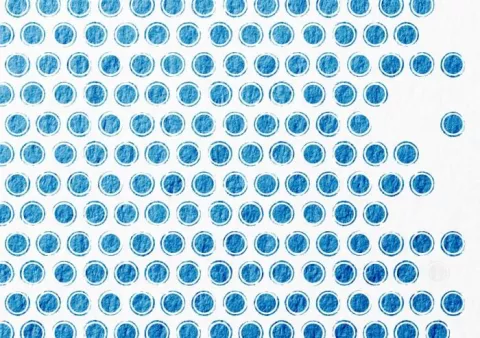
Dark, thin outline around images or text, reducing print sharpness.
Top Potential Causes
- Plate cylinder out of round.
- Excessive anilox volume.
- Overpressure between plate cylinder and substrate.
Corrective Actions
- Check and fix cylinder eccentricity.
- Switch to lower-volume anilox.
- Reduce printing pressure settings.

Mottled, cloudy, or uneven ink laydown in solid print areas.

Top Potential Causes
- Damaged or uneven printing plate.
- Incorrect ink viscosity (too low or too high).
- Contamination on plate or substrate.
Corrective Actions
- Replace the plate.
- Adjust viscosity (add fresh ink or solvent).
- Clean plate cylinder and ensure film cleanliness.

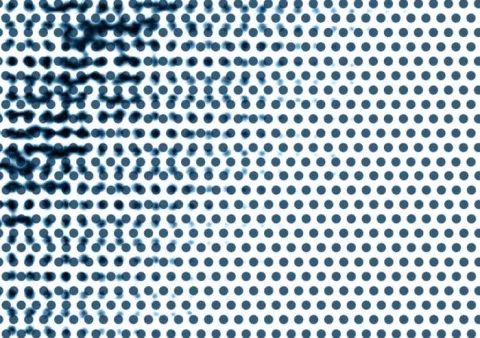
Ink fills the spaces between dots, reducing detail and causing tone jump.
Top Potential Causes
- Ink drying too quickly inside the anilox.
- Ink viscosity too high.
- Anilox volume too high for the plate screen.
Corrective Actions
- Add retarder or adjust solvent balance.
- Lower viscosity to optimal level.
- Use higher-line-count, lower-volume anilox.
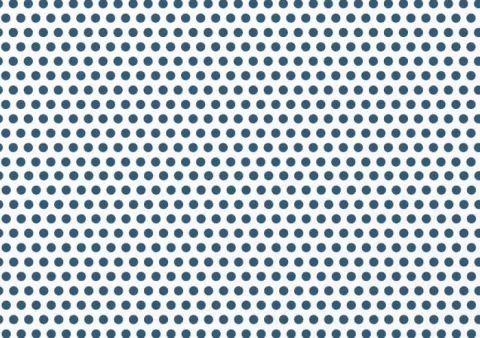
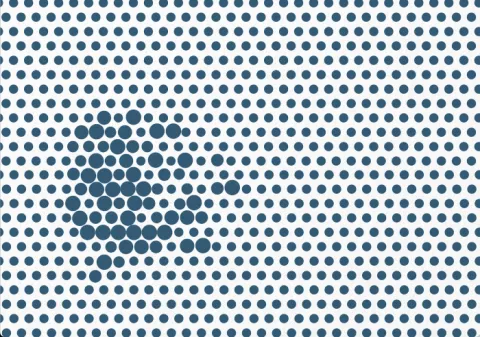
Dots print larger than intended, reducing image sharpness and contrast.
Top Potential Causes
- Uneven or overly soft plate / incorrect tape hardness.
- Excessive printing pressure.
- Film thickness variations.
Corrective Actions
- Replace plate or adjust adhesive tape.
- Reduce pressure settings.
- Adjust dot gain curve or replace problematic substrate.