Ink Technologies That Protect and Preserve Pet Nutrition
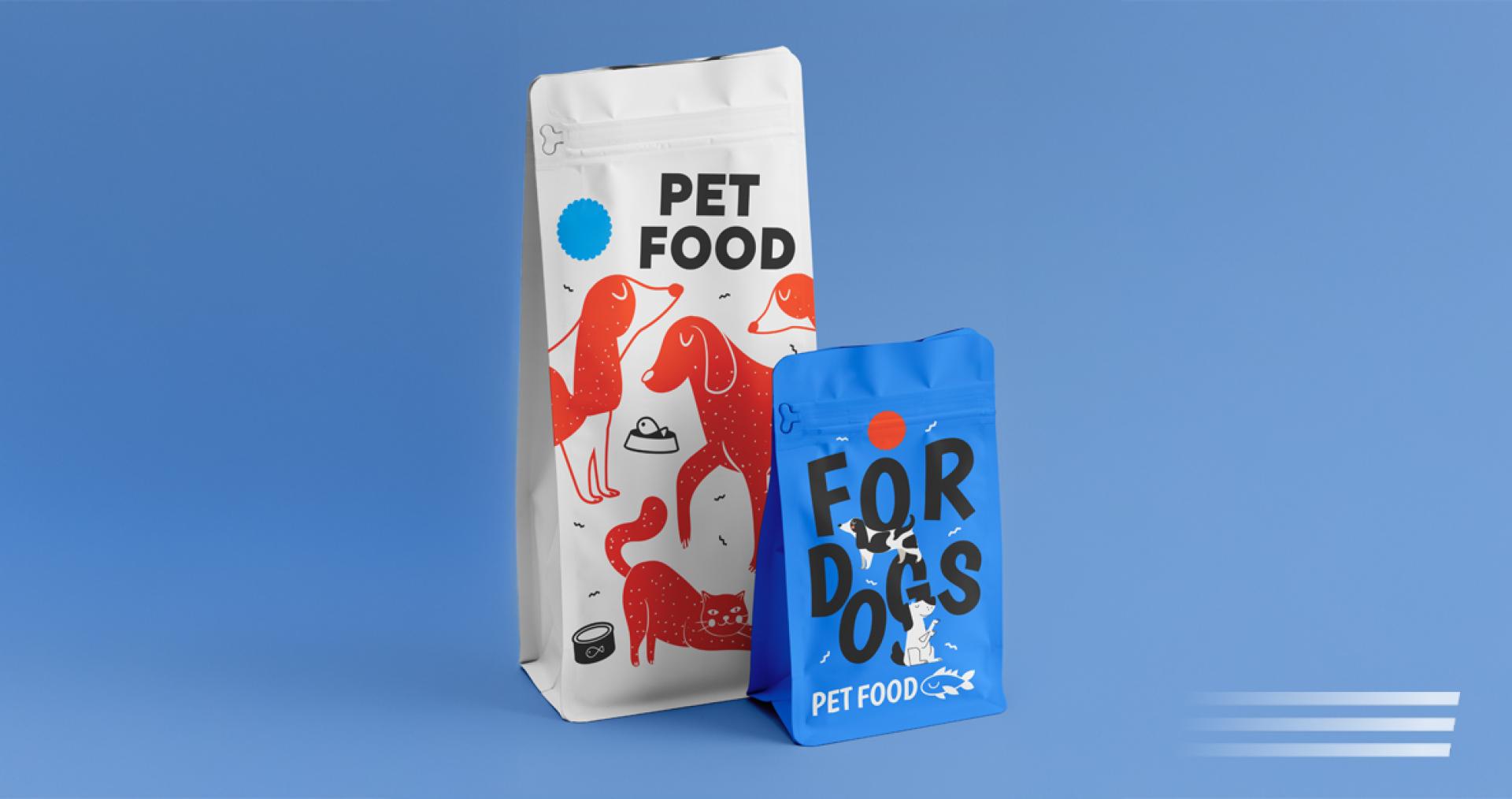
In the dynamic world of consumer goods, pet food packaging has emerged as a surprising leader in innovation. Unlike many other food sectors, pet food brands have long embraced high-quality, premium packaging, a reflection of the deep emotional connection between pet owners and their animals. With price points often comparable to human food, and consumer expectations for both functionality and aesthetics running high, pet food packaging offers greater flexibility to experiment with advanced materials, bold designs and enhanced protective features.
As brands push boundaries with resealable pouches, matte finishes, metallic effects, and recyclable or compostable films, one crucial detail must not be overlooked, the ink. The ink used in pet food packaging plays a fundamental role in product preservation, brand communication and regulatory compliance.
Why Ink Matters in Pet Food Packaging
Inks are an integral component of the packaging structure. They interact with substrates, withstand external conditions and often dictate a consumer’s first impression of the product.
Here’s why selecting the right ink is essential:
1. Moisture & Barrier Compatibility
Pet food, especially dry kibble and semi-moist treats, is highly sensitive to moisture. Packaging must maintain a strong barrier and inks must adhere well to these substrates without cracking or peeling under humidity.
2. Heat and Seal Resistance
Many pet food formats undergo heat sealing or sterilization (e.g., retort pouches for wet food). The ink must be thermally stable, maintaining adhesion, vibrancy, and safety without affecting seal strength. Specialized heat-resistant ink systems ensure long-lasting results.
3. Food Compliance & Safety
Since pets consume the contents directly, packaging inks must meet strict low-migration and food safety standards. This includes compliance with EU Regulation 1935/2004, EU10/2011, Swiss Ordinance, and FDA guidelines. Using the correct ink systems prevents harmful substance migration into pet food, essential for both safety and brand reputation.
4. Resistance to Oils, Fats, and Abrasion
Pet food often contains oils and fats that can affect packaging integrity. Inks must resist chemical interactions and retain print clarity and legibility throughout the product’s lifecycle. Abrasion resistance is also key, especially for bags handled frequently on shelves or in storage.
5. Sustainability & Consumer Appeal
Eco-conscious pet owners are driving demand for recyclable, compostable, and bio-based packaging. Water-based, solvent-free, or NC-free inks compatible with sustainable substrates allow brands to maintain vibrant designs while meeting environmental goals.
At DF Inks we offer leading Ink Technologies for Pet Food Packaging
Depending on substrate and packaging needs, the most suitable ink systems include:
- PU Ultima Ink Series: Ideal for flexible films, offering excellent bond strength, print clarity and resistance to oils and heat. Improves recyclability as polyurethane aligns with resent recycling guidelines for mono-material structures (CEFLEX D4ACE).
- Water-Based Inks: A sustainable solution for paper or film substrates, with reduced VOC emissions.
We offer advanced ink technologies specifically developed for the pet food industry. Our solutions meet the highest standards in food safety, performance and sustainability which are designed to help your brand deliver trust in every pouch, bag or label.